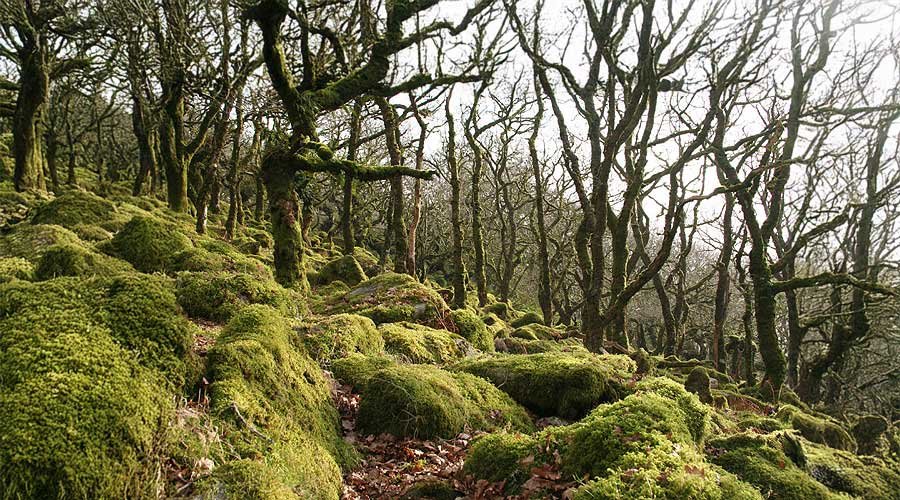
One of the United Kingdom’s rarest insects has been recorded in significantly higher numbers in the New Forest, recent surveys show. The elusive green forest hoverfly, historically known only from a handful of locations in southern England, has been spotted far more frequently in the Hampshire woodland over recent years.
According to data from the Green Forest Hoverfly Hunt, a four-year citizen science project supported by Forestry England, more than 450 sightings of the species have been logged in the New Forest since the initiative began. This represents a three-fold increase compared with earlier records, suggesting that conservation efforts and increased monitoring are improving knowledge of the insect’s distribution.
The green forest hoverfly is one of the UK’s rarest invertebrates, with established populations previously confirmed only in the New Forest and at Windsor Great Park. It is recognised for its striking metallic green colouring and specialised habitat requirements, favouring ancient woodland edges and damp glades.
Experts say the rise in sightings does not necessarily mean a sudden population boom, but rather reflects improved survey coverage and growing public involvement in recording efforts. Citizen scientists have played a crucial role in submitting observations, helping paint a fuller picture of where this species persists.
Conservationists remain cautious but optimistic. The hoverfly’s continued presence highlights the importance of long-term habitat protection and monitoring. With insects worldwide facing declines due to habitat loss, climate change and pesticide use, the green forest hoverfly’s apparent resilience in the New Forest offers a rare piece of good news in the struggle to safeguard Britain’s biodiversity.