Record Fall in UK Cancer Deaths Shows Power of Science and Early Detection
Cancer death rates in the UK have fallen to their lowest level on record, marking a major milestone in the fight against the disease and highlighting the impact of decades of medical progress.
According to new analysis from Cancer Research UK, around 247 people per 100,000 now die from cancer each year. That represents a 29% drop compared with the peak in 1989, when the figure stood at 355 per 100,000.
The progress has accelerated in recent years. Over the past decade alone, cancer death rates have fallen by 11%, thanks to improvements in prevention, screening and treatment.
Several major cancers have seen particularly strong improvements. Since 2014, deaths have fallen by:
- 34% for stomach cancer
- 22% for lung cancer
- 19% for ovarian cancer
- 14% for breast cancer
- 11% for cervical and prostate cancer
- 9% for leukaemia
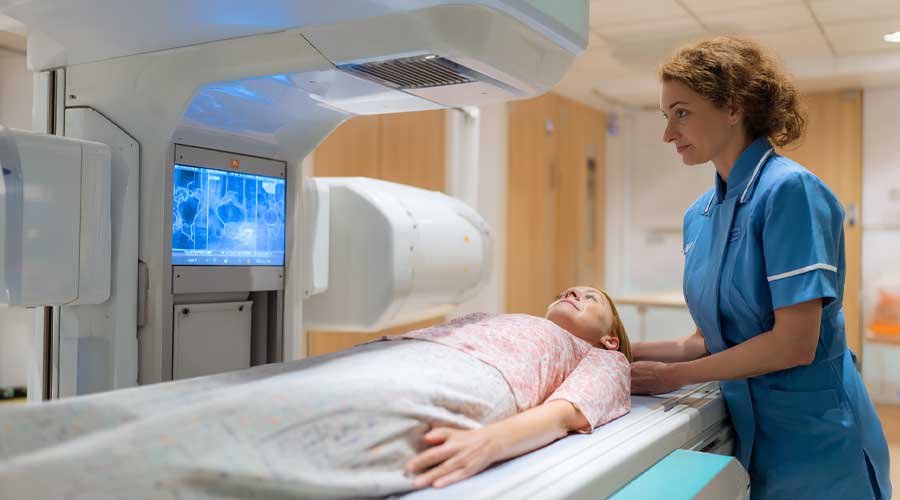
Experts say a combination of public health measures and medical innovation is driving the trend. Anti-smoking campaigns, NHS screening programmes and the HPV vaccine – given to more than 6.5 million people since 2008 – have all played a major role in preventing cancers and catching them earlier when they are easier to treat.
Despite the encouraging progress, cancer still remains the UK’s biggest killer and around 168,000 people die from the disease each year. However, the falling death rate shows that research, early diagnosis and improved treatments are saving more lives than ever before.
With continued investment in science and NHS care, experts believe this downward trend could continue, offering hope to millions of families across Britain.