


Orkney is set to join the GB electricity transmission network for the first time, opening the door to more renewable energy from one of Britain’s most important clean-energy locations.
The £1bn Orkney-Caithness link, being delivered by SSEN Transmission, will connect Finstown in Orkney with Dounreay in Caithness. The project is expected to create capacity for 220MW of new renewable generation while strengthening the wider electricity system in the north of Scotland.
A new connection across the Pentland Firth
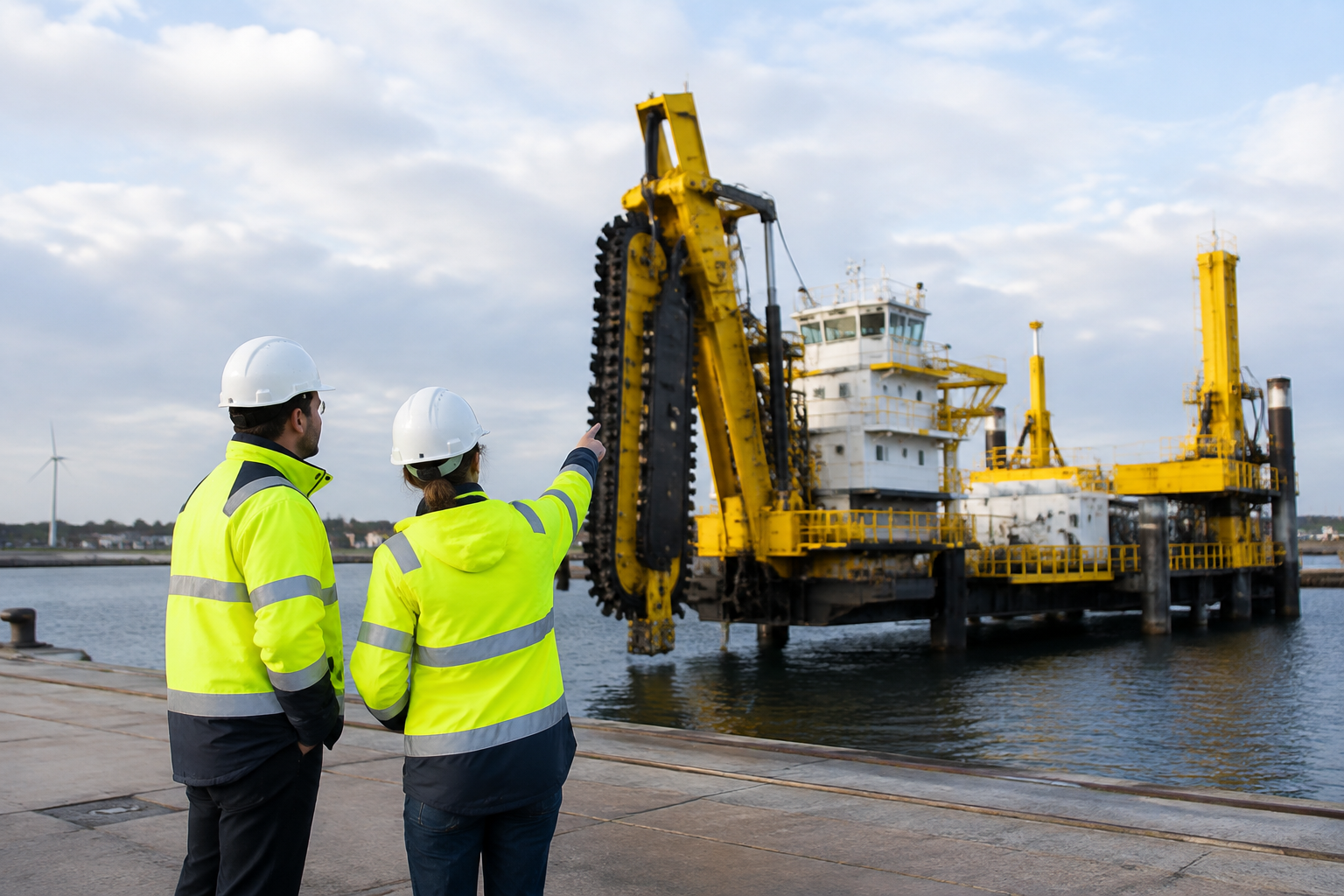
The scheme includes two new substations, around 14km of underground cable on Orkney and approximately 53km of subsea cable beneath the Pentland Firth. A further 800m of underground cable will link the Dounreay landfall to a new substation at Dounreay West, alongside work at the existing Dounreay substation.
Orkney has abundant wind, wave and tidal resources, and has played a long-standing role in renewable energy development. It hosted the UK’s first grid-connected wind turbine in 1951 and has been home to the European Marine Energy Centre since 2003.
Until now, limited transmission capacity has restricted the islands’ ability to export the electricity they generate. The new high-voltage alternating current link is designed to remove that constraint and make Orkney the last of Scotland’s three main island groups to connect to the transmission network.
Substations built for a challenging location
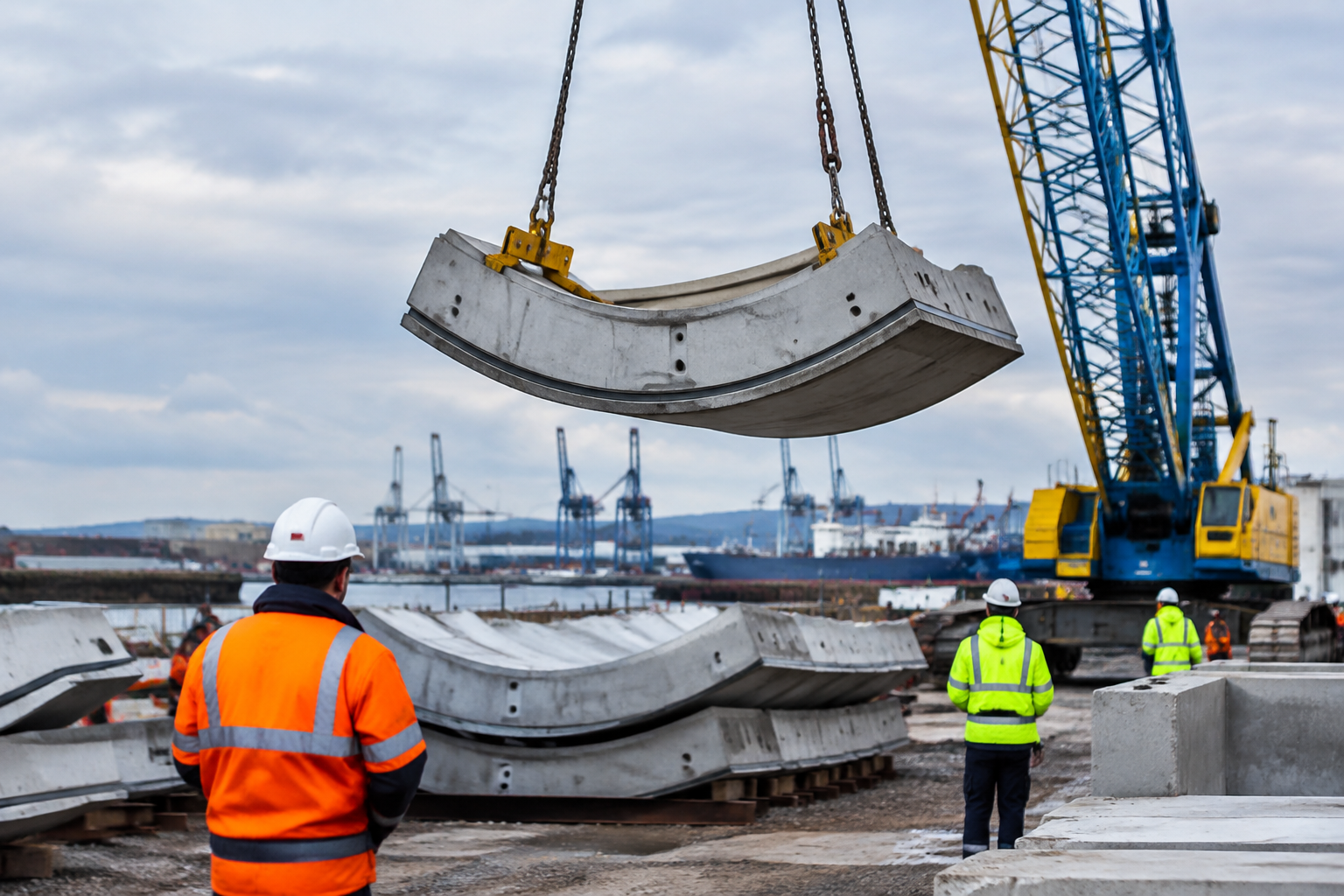
Siemens Energy and Bam UK & Ireland are designing and building the substations, with construction beginning at Dounreay in September 2024 and Finstown the following month. Because the sites face a highly corrosive C5 coastal environment, much of the high-voltage equipment will be housed inside new buildings rather than left outdoors.
Eight buildings are planned at Finstown, five at Dounreay West and one at the existing Dounreay substation. Two synchronous condensers at Finstown will also help improve grid stability, representing a first for both the project partnership and the SSEN Transmission system.
Construction has involved substantial ground engineering. At Finstown, about 260,000 cubic metres of material was excavated, including 85,000 cubic metres of drilled and blasted rock. Around 92% of the blasted material is being reprocessed and reused on site, helping to reduce both waste and pressure on Orkney’s roads from imported materials.
Local firms involved in delivery
A range of Orcadian businesses have been employed on the project, including BDS, R S Merriman, Orkney Aggregates, Orkney Research Centre for Archaeology, Aquatera, Orkney Builders, Casey Construction and Leask Marine. Local supply-chain partners are also working on the Dounreay construction.
The project has required careful planning in an island community of around 22,000 people. At peak, up to 300 people could be working at Finstown, with a temporary accommodation village providing catering, welfare and leisure facilities for the workforce.
Earthworks are complete at both sites, while building frames and most internal reinforced-concrete structures are in place. The link remains on track for energisation in 2028, with the civil works expected to finish around April 2027 before the focus moves to high-voltage equipment installation.