The UK’s greenhouse gas emissions continued their long downward trend in 2025, falling 2.4% in a single year and reaching levels not seen since the Victorian era, according to new analysis.
The drop represents a reduction of around 9 million tonnes of CO₂ equivalent, bringing total UK emissions down to 364 million tonnes. Overall, Britain’s emissions are now 54% lower than they were in 1990, highlighting the scale of the country’s long-term transition to cleaner energy.
One of the most striking milestones behind the fall is the dramatic decline of coal. UK coal use has now dropped to its lowest level in around 400 years – effectively the same level last seen around 1600.
The shift follows the closure of the UK’s last coal-fired power station in 2024, marking the first full year without coal power on the electricity grid. This historic transition has played a major role in cutting emissions across the energy sector.
Gas consumption also fell significantly, reaching its lowest level since 1992. Lower demand for heating, warmer temperatures and higher gas prices all contributed to the reduction.
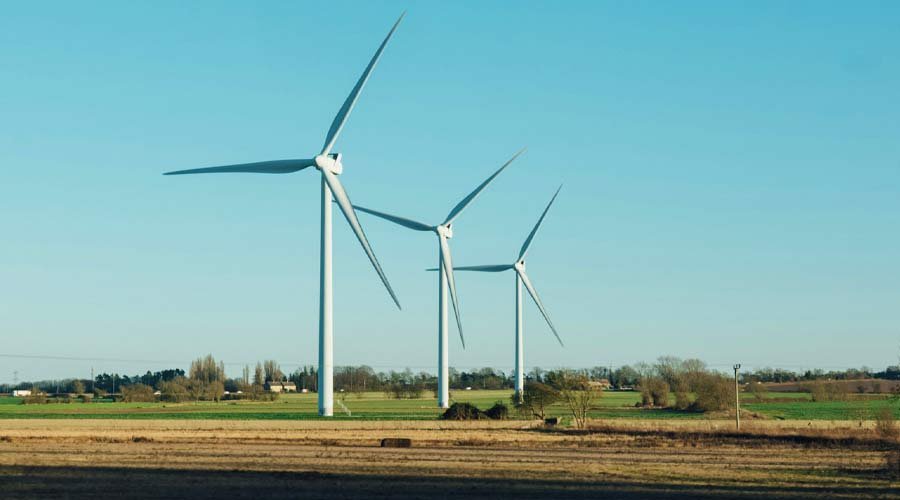
At the same time, cleaner energy sources are playing a growing role in Britain’s power system. Low-carbon technologies such as renewables and nuclear now provide a large share of electricity generation, helping to steadily reduce reliance on fossil fuels.
The figures also show how sustained the UK’s emissions decline has been. Since 1990, emissions have fallen in 27 of the past 36 years, reflecting decades of structural change in energy production, industry and transport.
While further reductions will be needed to meet the UK’s long-term climate targets, the latest data highlights the significant progress already achieved – with emissions now at levels not seen since the late 19th century.