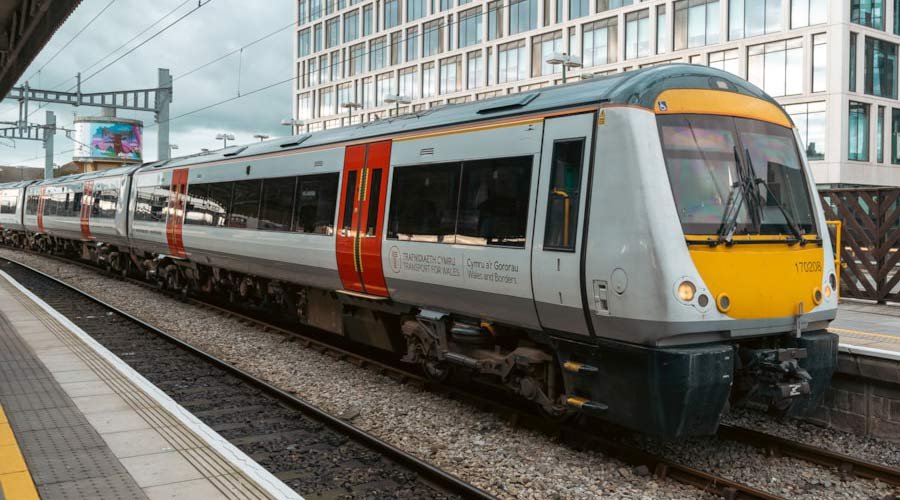



Passengers across the North are set to get faster, quieter and more reliable rail journeys under a £1 billion deal for 29 new battery-electric trains.
The new TransPennine Express fleet will be built at Alstom’s historic Litchurch Lane Works in Derby, supporting more than 350 highly skilled jobs at the site, along with 40 apprenticeships and 40 student placements. A further 6,000 jobs are expected to be supported across the UK supply chain, while the investment is forecast to generate around £360 million for the wider economy.
Faster journeys across the Pennines
The trains are expected to cut journey times by up to 10 minutes between Manchester and Leeds, and by up to 14 minutes between Manchester and York.
They will also help deliver the Transpennine Route Upgrade’s ambition to increase capacity by 30%, with thousands of extra seats a day expected across the Pennines by the early to mid-2030s.
The new Adessia Stream trains will be the first battery-electric trains of their kind to operate on a UK main line route. They will provide emission-free travel on sections of railway that are not electrified, helping passengers enjoy smoother and quieter journeys.
Construction is due to begin in 2028, with the first trains expected to enter service from winter 2034. They will operate on routes including Liverpool Lime Street to Scarborough, Manchester Airport to Saltburn, and Manchester Piccadilly to Hull.
More accessible trains, built in Britain
The fleet will include step-free boarding and remove gaps between trains and platforms, making journeys easier for wheelchair users, people with pushchairs and passengers carrying luggage.
Each train will have three dedicated wheelchair spaces, two accessible toilets, family-friendly areas, plus storage for bicycles and buggies. Passengers will also have access to onboard Wi-Fi and more luggage space.
The order is being funded through Rock Rail, which will buy and lease the trains to TransPennine Express. It also strengthens the role of Derby’s manufacturing site, described as the world’s largest rolling stock train manufacturing facility outside China.
Alongside the direct roles at Alstom, the project is expected to create opportunities in manufacturing, engineering, digital systems and train technology throughout the British supply chain.
The wider Transpennine Route Upgrade has already delivered more than £1 billion of spending with local businesses and £2.6 billion in social value for northern communities. Its workforce currently numbers around 5,000 people, with up to 8,000 roles expected over the programme’s lifetime.