A seabird colony wiped out by avian flu has returned in force on England’s south coast, with sandwich terns at Pagham Harbour reaching 756 breeding pairs in just three years.
The colony in West Sussex fell to zero in 2022. This summer, the terns produced 570 fledglings, making it one of the largest colonies ever recorded in the Solent region.
Coastal conservation brings wider gains
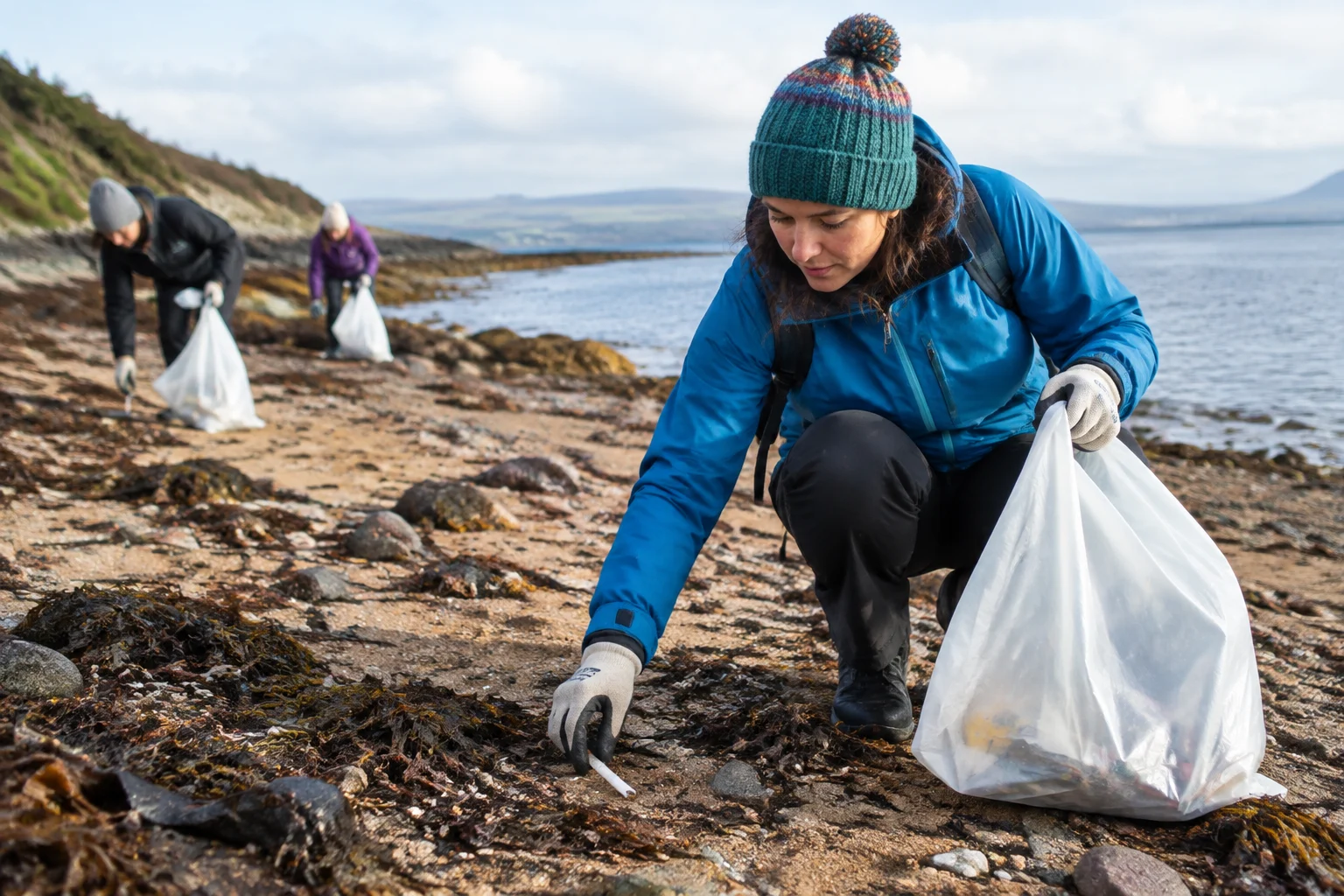
RSPB staff and volunteers have also recorded increases in little terns, ringed plovers, oystercatchers and black-headed gulls across 52,000 hectares of coastline and estuary between the south coast and the Isle of Wight.
Black-headed gull fledglings rose from 51 in 2025 to 504 in 2026, while little tern numbers increased from 21 to 34. At Ferry Pool, 18 pairs of avocets nested on newly created islands in a saline lagoon.
The work includes predator-excluding fencing, rat monitoring, patrols and selective vegetation removal. At RSPB Medmerry and West Hayling in Hampshire, floating nesting rafts are giving birds safer spaces away from predators, dogs and boats.
The projects form part of the Solent Seascape partnership, which is also restoring seagrass beds, oyster reefs and saltmarsh.
Why it matters for Britain
The recovery shows how sustained conservation and volunteer effort can rebuild vulnerable coastal bird populations. Safer nesting sites and restored habitats also help protect the wider health of important English estuaries and shorelines.