A Staffordshire ceramics firm has turned Moon dust into solid pellets, taking a small but practical step towards building habitats on the Moon.
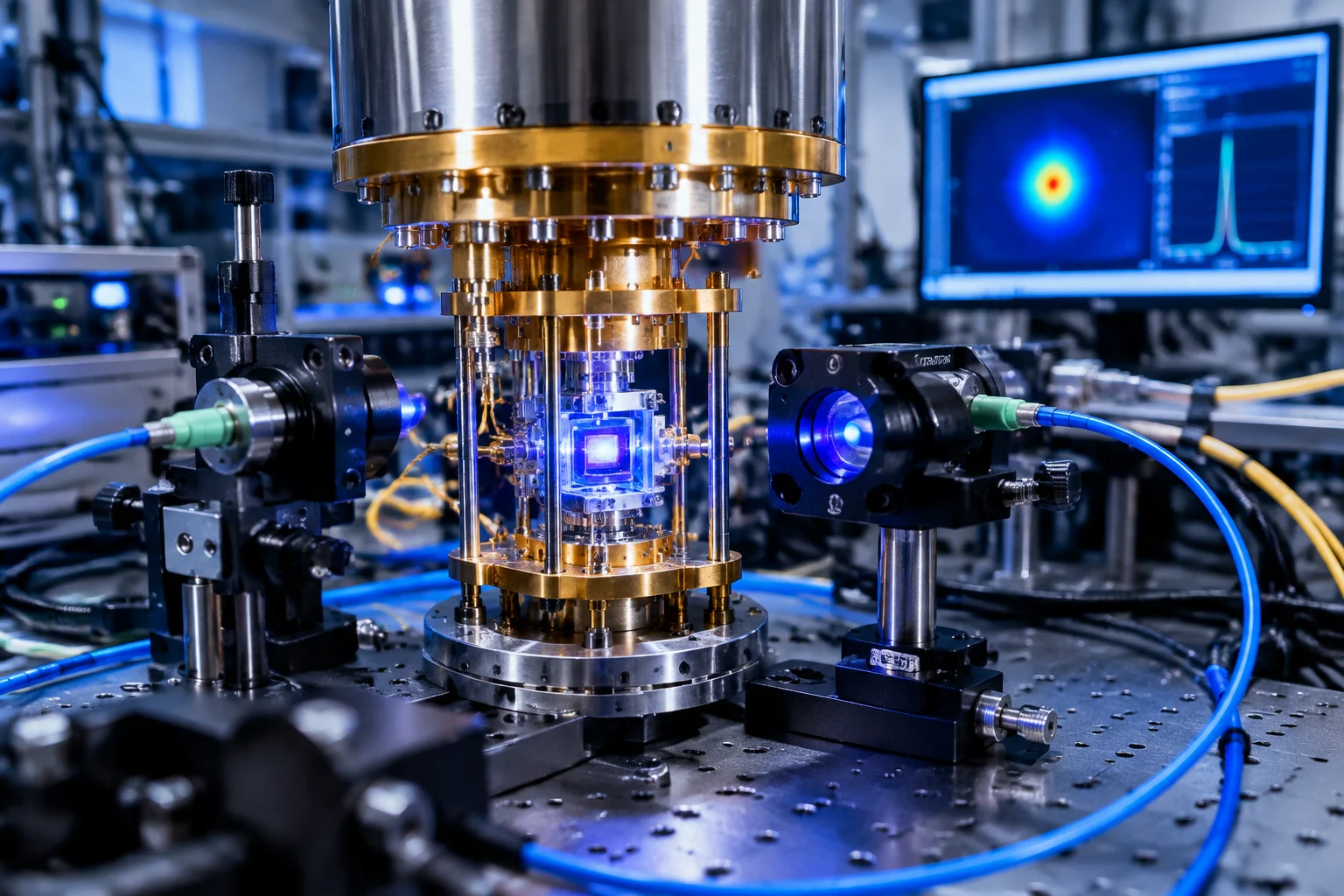
Lucideon used electricity to fire and solidify the loose, powdery material. The research was carried out through a programme funded by the European Space Agency.
From pottery expertise to lunar construction
The process, known as sintering, is already used to make bricks and other ceramic products. Applying it to lunar dust could eventually reduce the need to send heavy building materials from Earth, where spacecraft space and weight are limited.
Lucideon said the resulting material is not yet a brick, but could help create stronger structures capable of offering protection from impacts by small objects in space. The firm is drawing on Staffordshire’s long history in ceramics while developing advanced materials for future uses.
The company also believes the work could have applications beyond space, with ceramic innovation potentially influencing energy, batteries, transport and everyday life. Its chief executive, Tony Kinsella, said he expects a small group of people could live on the Moon outside a spacecraft for longer than a few weeks within his lifetime.
For now, the achievement is a laboratory-stage demonstration rather than a lunar building project. But it shows how established British industrial skills can be adapted to the demands of space exploration.
Why it matters for Britain
The project keeps Staffordshire’s ceramics expertise connected to advanced research funded through a European space programme. It could support future work in materials science while giving the region’s traditional industry a route into emerging technologies.