Nature is making a strong comeback on two former farmland sites on the Isle of Wight, with wildlife numbers rising both above and below ground.
A new report from Hampshire & Isle of Wight Wildlife Trust found that bird numbers at Wilder Little Duxmore, near Newchurch, have almost tripled. Across the two rewilding sites, 20 new bird species and nine new butterfly species have been recorded.
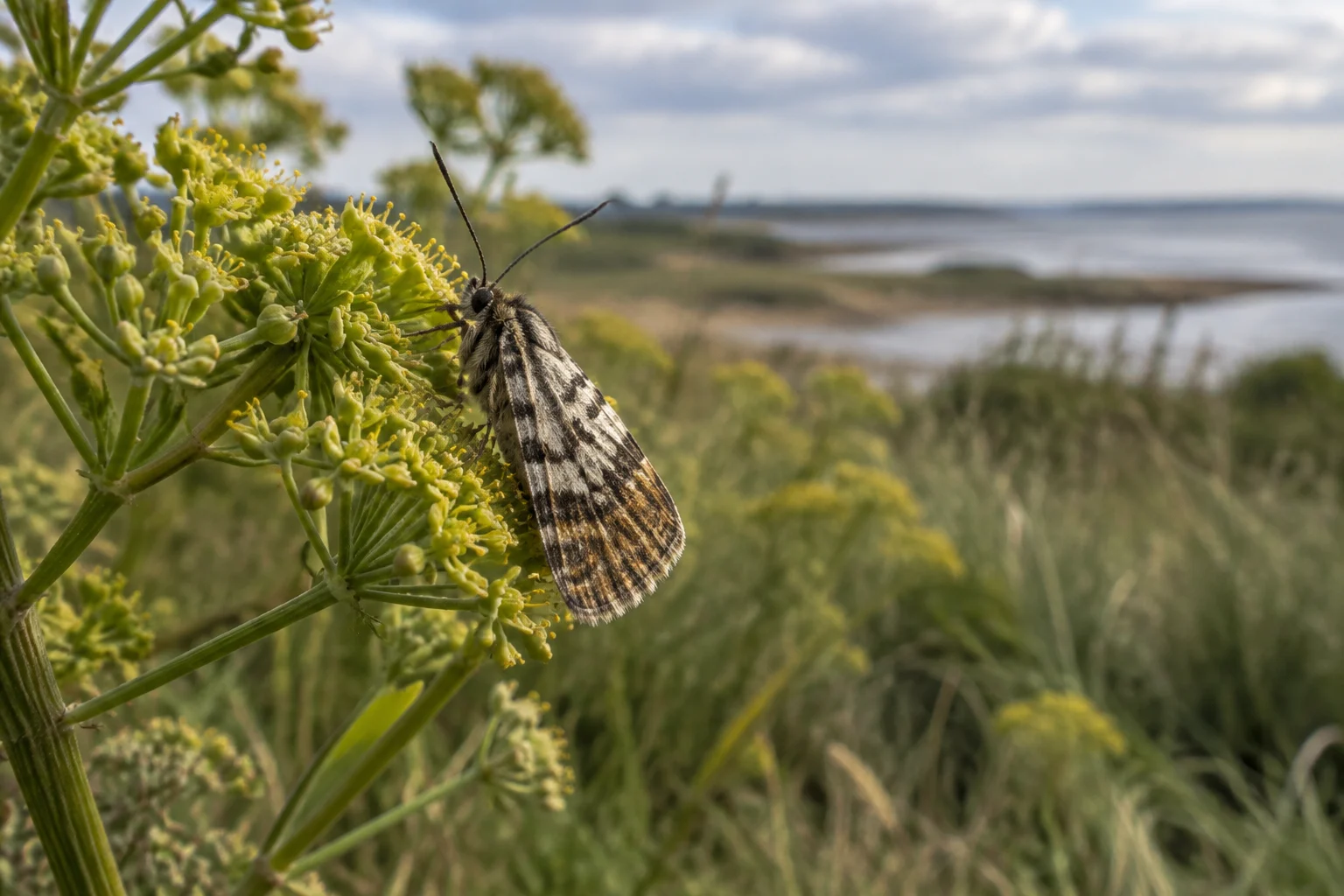
The changes are not limited to birds. Butterfly numbers at Wilder Nunwell, near Brading, rose by 117%, while bumblebee numbers increased by 64%. Moth diversity climbed by 70%, with 547 species identified in 2025 compared with 321 in 2023.
Healthier habitats, healthier soils
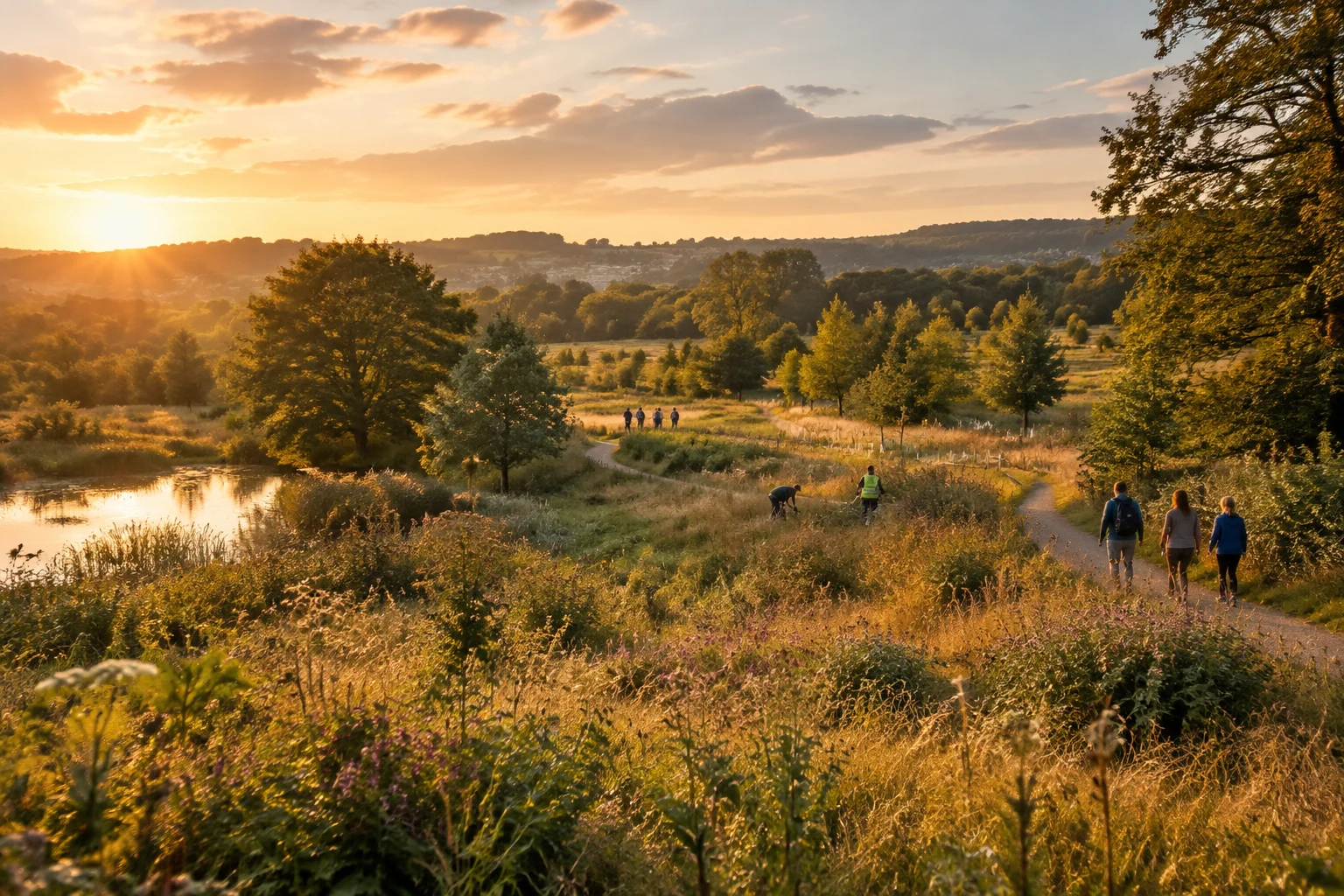
The sites now support a wider mix of grassland, scrub, woodland edge and wetland, giving different species more places to feed, shelter and breed. Several threatened species have been recorded, including birds on the Red and Amber Lists and four butterfly species listed as threatened.
There are encouraging signs underground, too. Earthworm numbers at Wilder Nunwell rose by 66%, with 16 species recorded across the sites. Soil nutrient levels have also fallen from the elevated levels associated with intensive farming, while monitoring at Little Duxmore found lower nitrate and phosphate levels in the water.
Wilder Little Duxmore has been rewilding since 2020, while work at Wilder Nunwell began in 2022. The Trust says the five-year results are an early stage in a much longer recovery.
Why it matters for Britain
The project shows how restoring varied habitats on former farmland can support pollinators, birds, soil life and water quality. That offers a practical local model for helping threatened British wildlife recover.