The Natural History Museum’s transformed gardens in South Kensington are giving scientists a closer look at the wildlife living in the heart of London.
Between the gardens’ reopening in July 2024 and the end of 2025, researchers recorded 92 species at the five-acre site for the first time. They include the striking Emperor Moth, Small Red-eyed Damselfly, Peregrine Falcon and Cotton Seed Bug.
A high-tech view of urban nature
The gardens now link habitats including chalk grassland, woodland, ponds and planted areas. Alongside traditional surveys, Museum scientists are using environmental DNA, acoustic monitoring and a growing network of sensors to track how wildlife responds to habitat, climate and human activity.
More than 50 sensors generated over 11 million environmental data records in their first year. During the June 2026 heatwave, sensors found that woodland soil was 10°C cooler than soil in the paved Darwin Centre Courtyard.
The latest discoveries add to a much longer record. Since monitoring began in 1995, 3,500 species have been documented in the gardens, including several arthropods recorded in Britain for the first time.
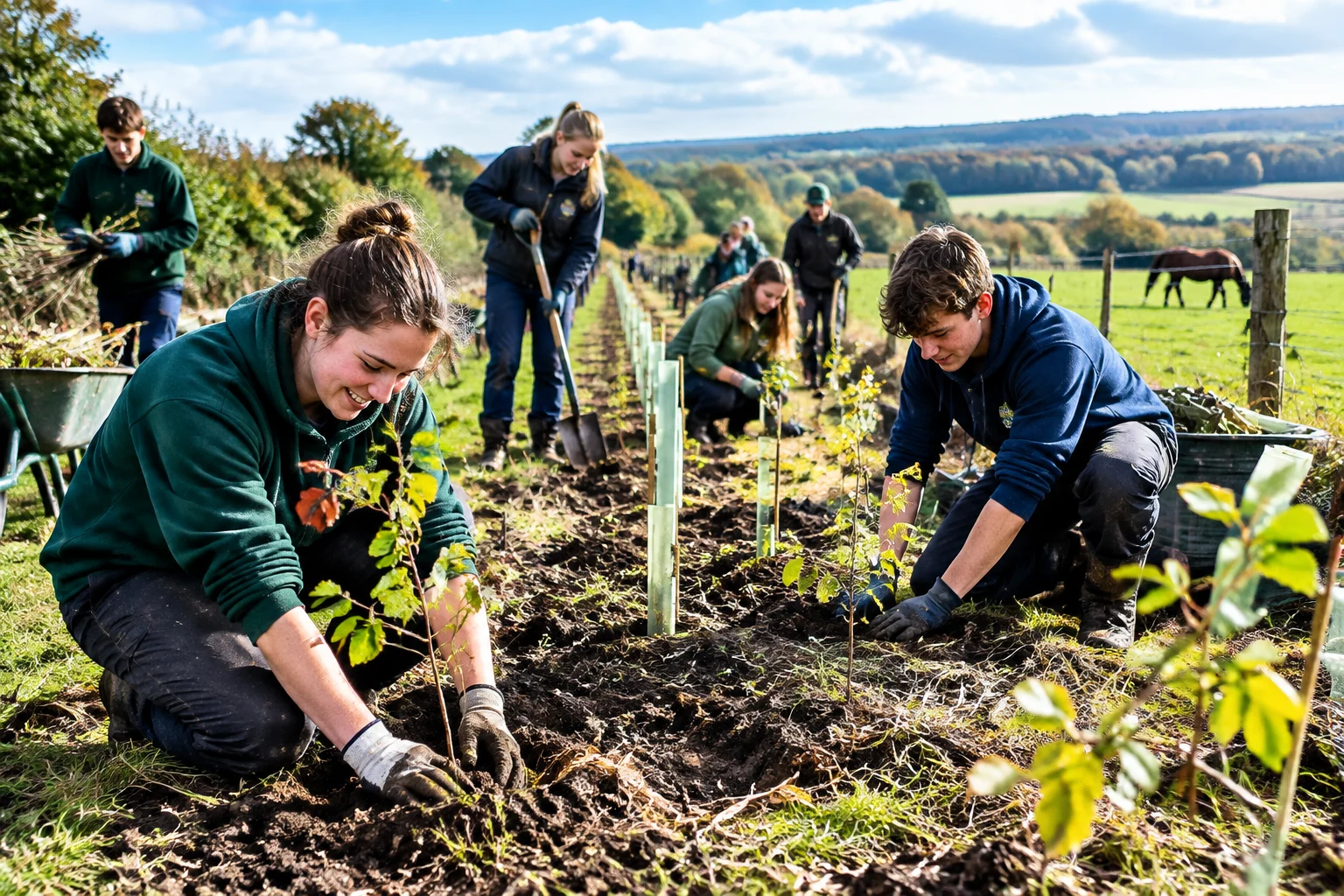
Visitors, schools, volunteers and community groups can also take part through wildlife recording, field surveys and community science projects. The Museum is extending its sensor network into the Evolution Garden to compare different planting styles and levels of visitor activity.
Why it matters for Britain
The project shows how carefully designed urban green spaces can support biodiversity while helping researchers understand heat and climate resilience. Its data could inform the way cities create habitats that work better for both wildlife and people.