


Britain has taken another step towards electric air taxis, with the UK’s first dedicated assembly centre opening at Cotswold Airport in Gloucestershire.
The new facility will be used to build Vertical Aerospace’s Valo aircraft, which take off and land vertically like helicopters. The Bristol-based company says the centre will help move its aircraft from testing and prototypes into manufacturing.
Four passengers and a 100-mile range
Valo is being developed as an electric aircraft for four passengers. Vertical says it will be capable of flying up to 160km (100 miles) with no operating emissions.
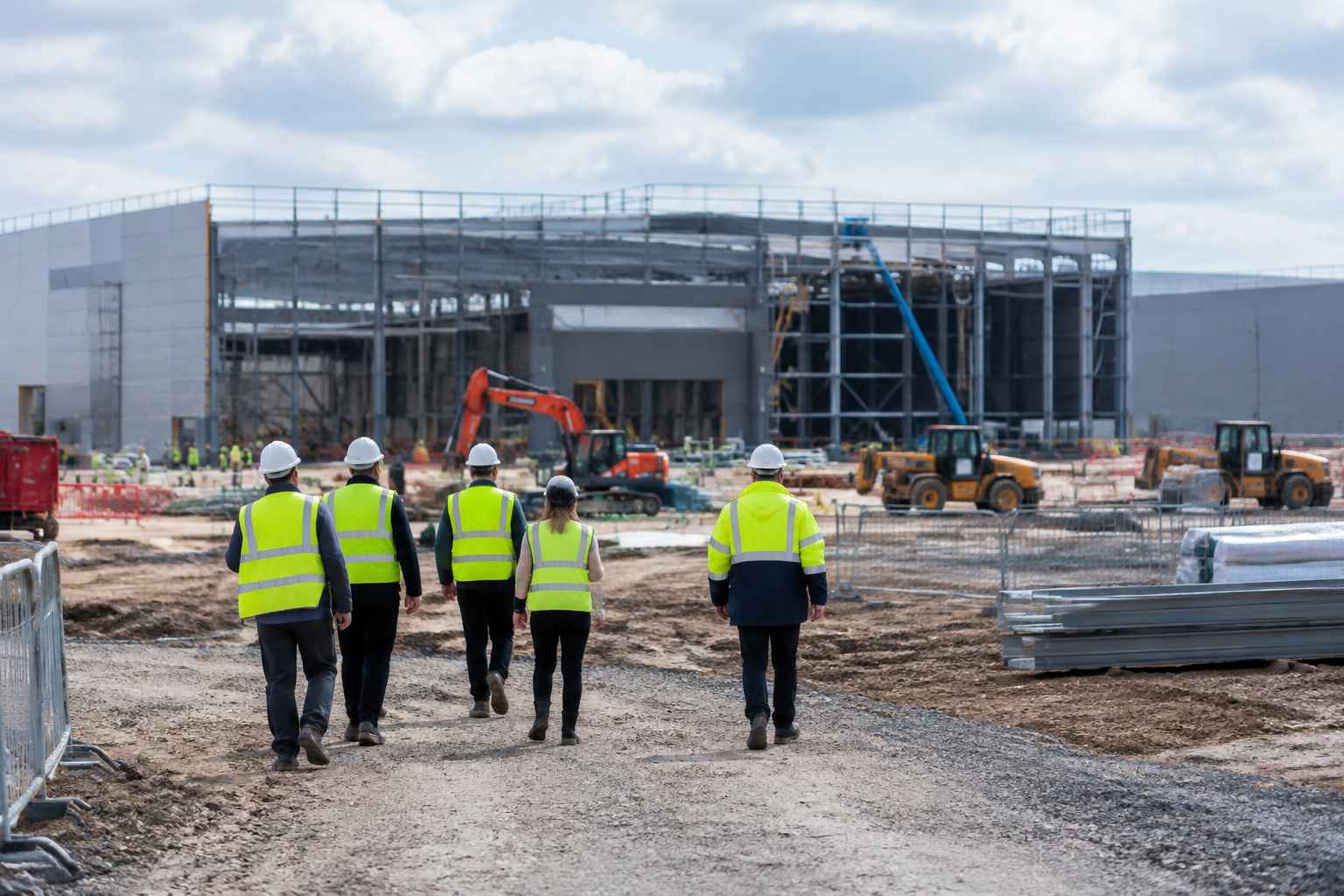
Testing of the technology is already under way at Cotswold Airport, near Kemble. The new assembly centre adds 60,000 sq ft (5,574 sq m) to the company’s existing flight test facilities there.
Construction of the aircraft is expected to begin in late 2027. Vertical plans to build an initial 25 aircraft a year, increasing production to 900 annually by 2035. The company says it already has 1,500 orders, many of them from airlines, and is aiming for commercial certification by 2029.
From British innovation to manufacturing
Minister for Reindustrialisation Blair McDougall said the centre would help “turn British innovation into British manufacturing”. He described the investment as the kind of project that could create high-skilled local jobs and strengthen the UK’s manufacturing base.
Vertical Aerospace chief executive Stuart Simpson said opening the centre was an important stage in the company’s move from prototype developer to aircraft manufacturer. He also said the business was getting close to the idea of flying cars and flying taxis.
The company describes bringing a new type of aircraft to market as a “once-in-a-generation opportunity”. Its plans draw on Britain’s aviation heritage, while the work at Gloucestershire provides a practical base for developing and assembling the aircraft.
Suzannah Harvey, chief executive of Cotswold Airport, said the centre strengthened the airport’s growing role as a hub for aerospace innovation.
Plans for a separate, full-scale production site designed for higher-volume manufacturing are expected to be announced later this year.
Why this is good news for Britain
The centre brings advanced aircraft manufacturing and testing to Gloucestershire, with the potential to create high-skilled local jobs and support Britain’s aerospace supply chain. It also gives a Bristol-based company a UK base from which to develop and produce a new generation of electric aircraft.