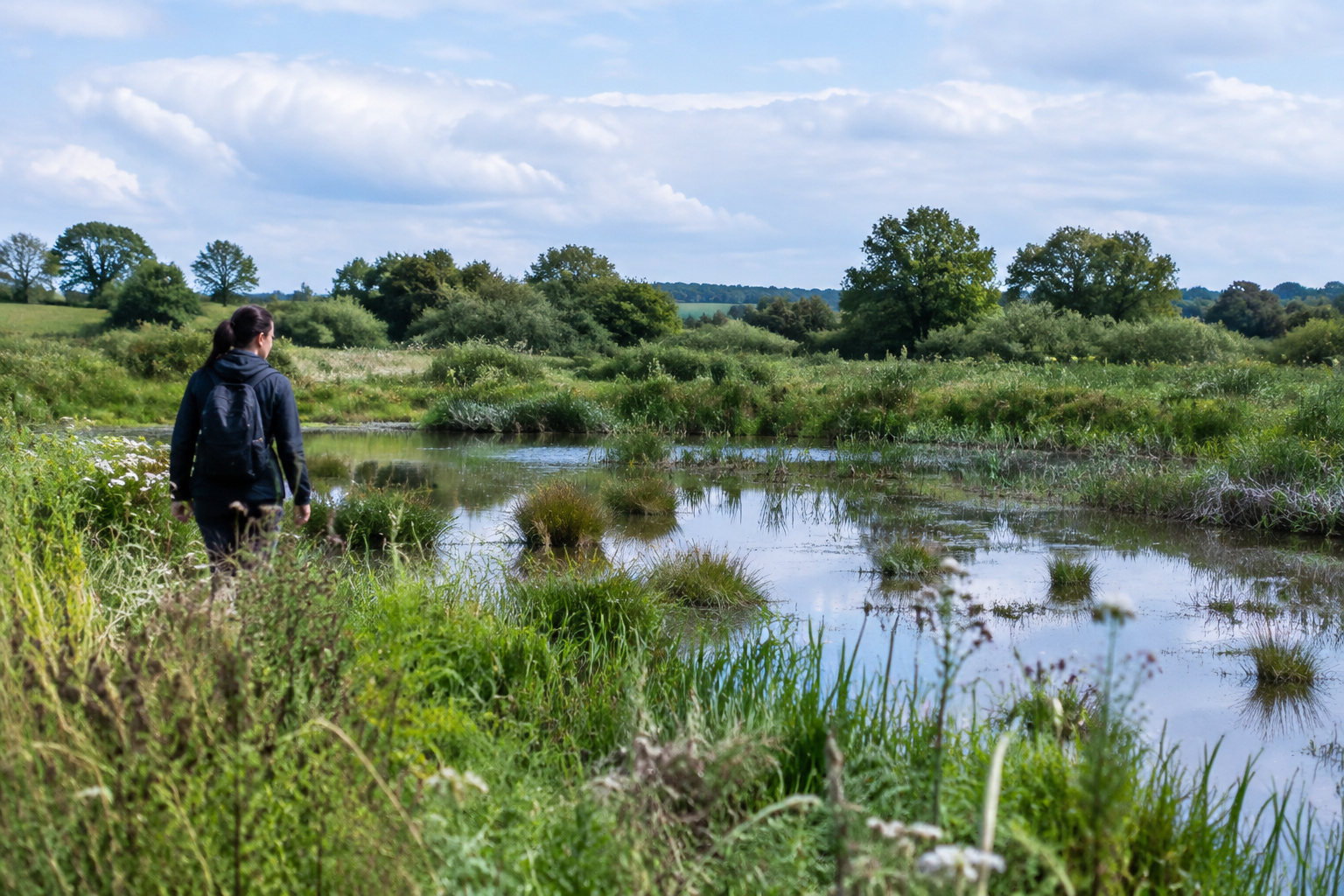



A former golf course on the Lincolnshire coast has been given a new lease of life as a 42-football-pitch nature reserve, creating a valuable home for wildlife and a new place for people to enjoy the outdoors.
National Trust Sandilands, near Sutton on Sea, officially opens on Saturday after a six-year restoration project. The site now combines wetlands, grassland and coastal scrub, with accessible paths, a boardwalk, viewing area, visitor hub, cafe and community facilities.
A new stop-off for rare birds
The reserve is expected to support species including lapwings, snipe and terns. It will also provide a safe place for migratory birds to rest, feed and breed along the Lincolnshire coast.
Wildlife had already started returning before the work was finished. Avocets and oystercatchers nested and bred at the site this year, while little ringed plover chicks were recorded there for the second year running.
More than 35,000 native shrubs have been planted and new wetlands created. The National Trust says many of the birds that use Sandilands are rare or endangered and rely on suitable places such as this to survive.
Designed for people as well as wildlife
The former golf course was acquired by the National Trust in 2020. Its transformation was supported by partners, volunteers and public funding.
Access has been built into the project, with paths designed to welcome wheelchair users and pushchairs. The site will also be managed with Highland ponies, which are planned to graze the reserve, remove coarse vegetation and help spread seeds across the landscape.
Katie Scott, the reserve’s area ranger, said seeing the site change from a golf course into a nature reserve had been “super exciting”. She added that the new wetland would extend the safe refuges available to birds.
The National Trust’s director of land and nature, Harry Bowell, said the project showed how restoring habitats and improving access to nature could benefit both people and wildlife.
Why this is good news for Britain
Sandilands adds an accessible wetland habitat to England’s coastline, giving rare and migratory birds another place to nest, feed and recover. It also brings new visitor, cafe and community facilities to the Lincolnshire coast, while showing how a former leisure site can be repurposed for nature and public enjoyment.