A former wheatfield beside HS2 in Hertfordshire is being transformed into one of south-east England’s biggest new wildlife habitats.
The 127-hectare Western Slopes site, above the Colne Valley where the railway enters its 10-mile Chilterns tunnel, now contains chalk grasslands, wet meadows, ponds and young woodland. It was created using material excavated during construction, including around 10m cubic metres of chalk, topsoil and subsoil.
Wildlife has moved in quickly. Skylarks, blackcaps, marbled white butterflies, damselflies and water voles have been recorded, alongside pyramidal orchids and hedgehog clover – a plant not seen in Hertfordshire since 1878. Nearly five hectares of wetlands beside the River Colne are also supporting reed warblers and lesser emperor dragonflies.
A new landscape taking shape
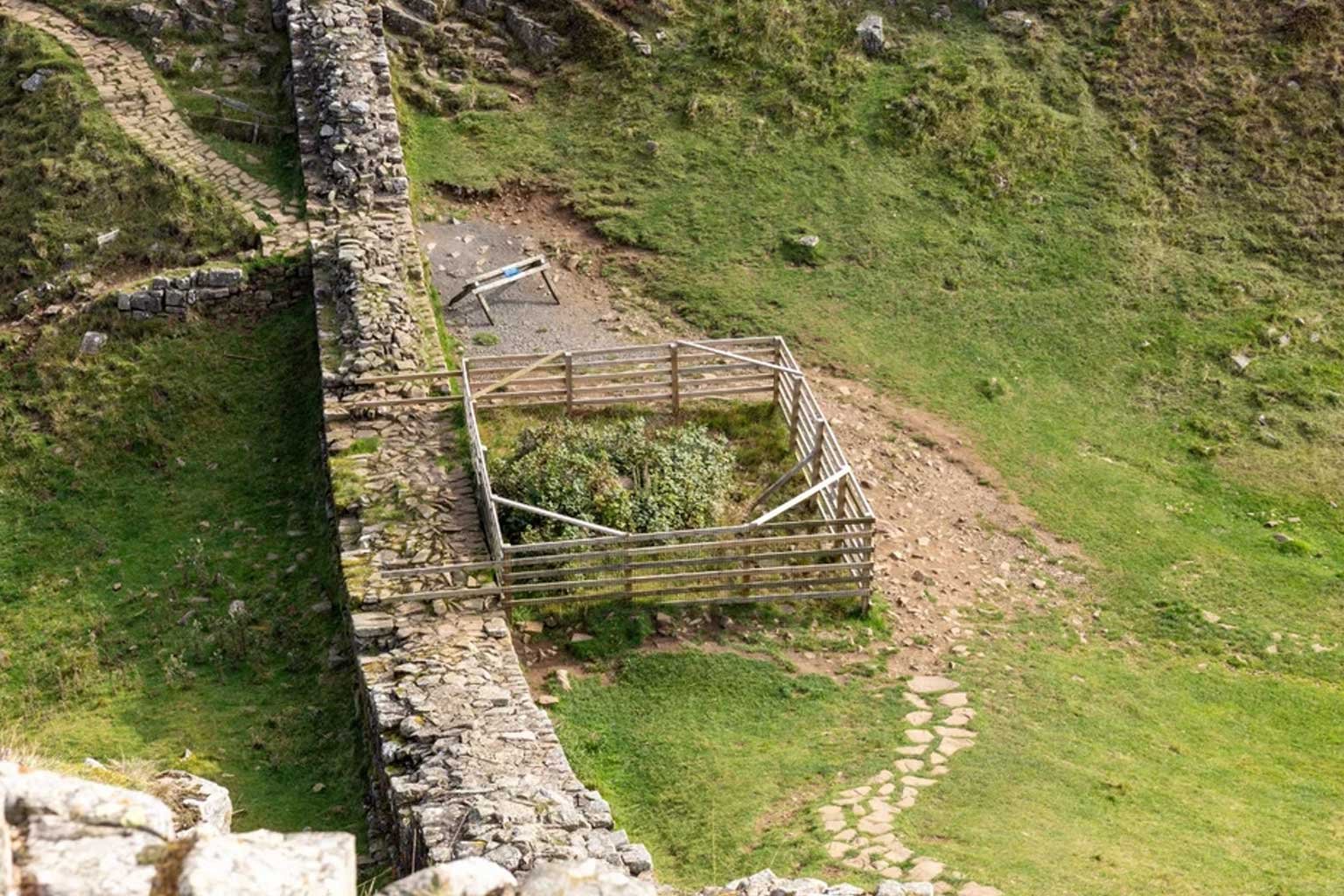
The site’s rolling downs and varied ground are designed to create a mix of grassland, scrub, woodland and ponds. Cattle-grids will allow livestock to graze across four areas, helping develop the soils and supporting insects such as dung beetles.
Footpaths are expected to open over the next 18 months, although part of the site will remain protected for ground-nesting birds. A mammal shelf beneath the railway should also help badgers, stoats and other animals cross safely.
Why it matters for Britain
The project shows how construction material can be reused locally while creating new habitat. HS2 says the grasslands could store carbon equivalent to 7% of the high-speed line’s construction impact, while the wetlands and grasslands are providing space for declining species such as water voles.