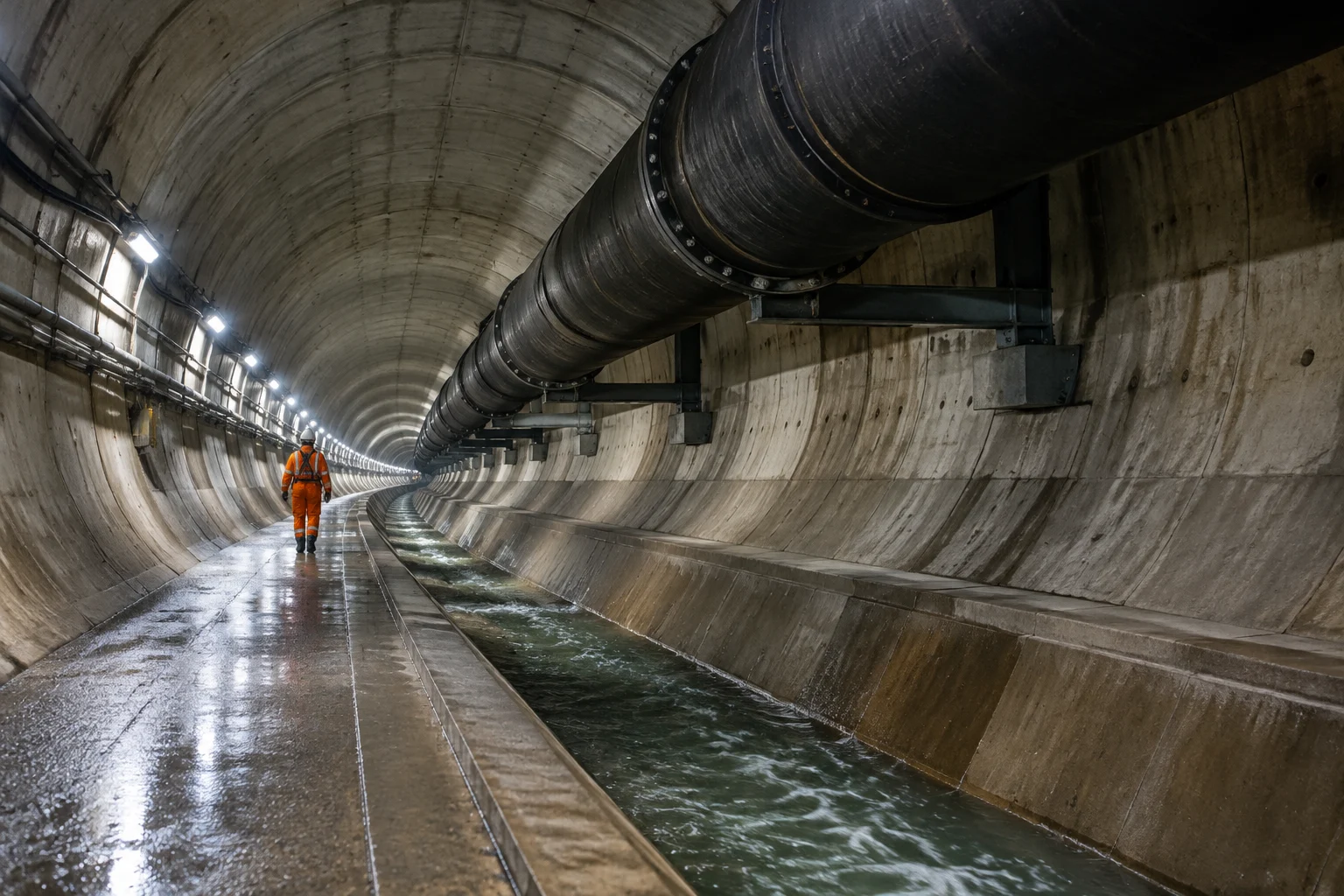
Sewage discharges into the tidal Thames fell by 86% in 2025, the first full year assessed since the Thames Tideway Tunnel began operating.
Annual storm overflow volumes dropped from a pre-tunnel average of more than 21 million cubic metres to just under three million. The system, which captures and transfers storm sewage that would previously have entered the river, is now moving into long-term operation under Thames Water.
Cleaner water and less river litter
The first Tideway Benefits Report also recorded a steep fall in days linked to elevated health risks from storm overflows. That figure fell from an average of 75.7% of days to 10.4% in 2025.
An estimated 84 tonnes of sewage-derived litter, including wet wipes, sanitary products and plastics, were kept out of the Thames during the year. Across the wider London Tideway Tunnel system, the total was around 130 tonnes. Independent monitoring by Thames21 found sewage-related items made up 18% of foreshore litter in 2025, down from 30% before the tunnel became operational.
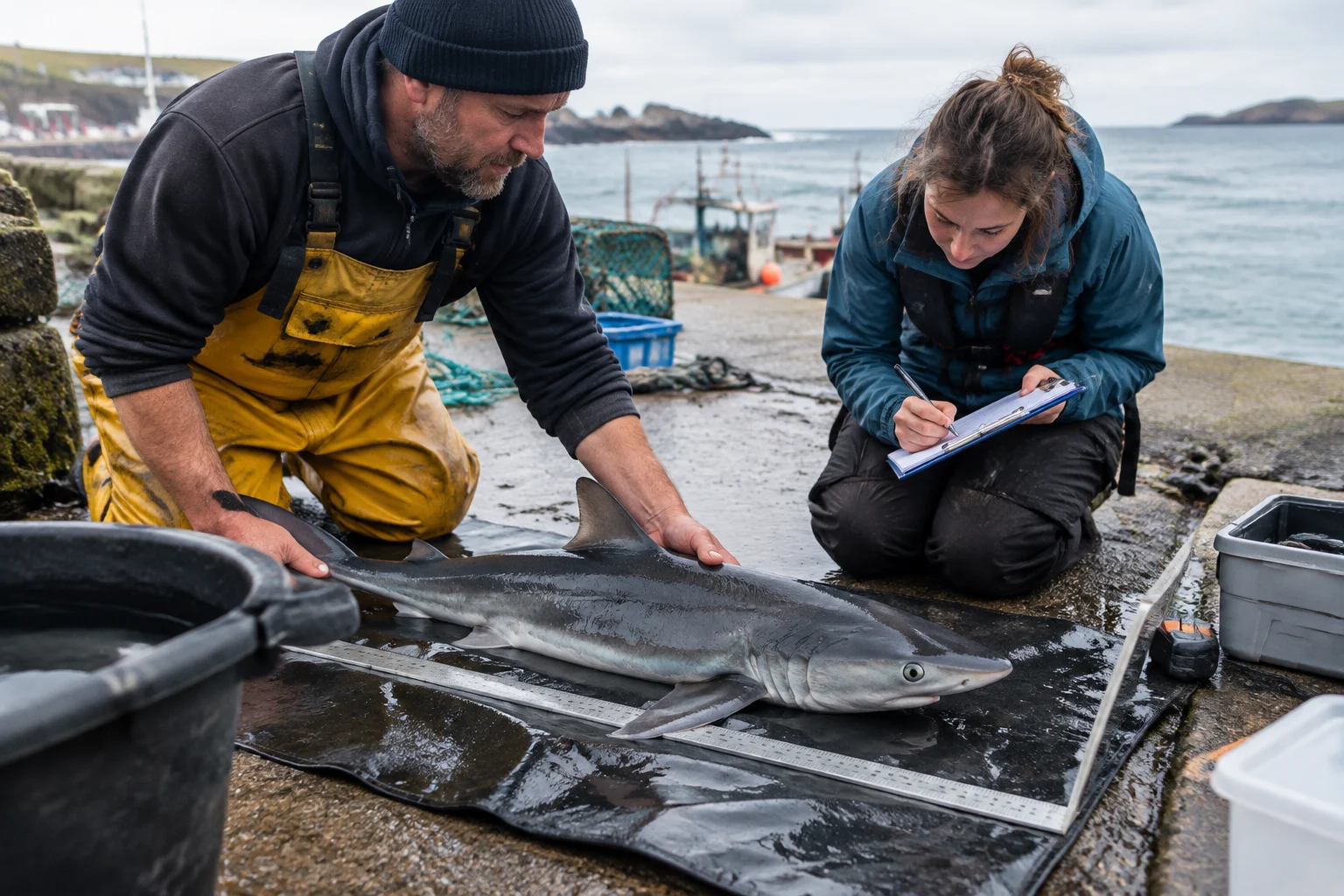
There was also just one dissolved oxygen depletion event linked to sewage overflow activity, helping create better conditions for fish and other aquatic wildlife. Environmental groups say the progress is encouraging, while stressing that pollution and climate change remain ongoing challenges.
Why it matters for Britain
The results point to practical gains for London’s river users, wildlife and public health. They also show how major investment in water infrastructure can reduce pollution in a heavily used urban waterway, although continued action will be needed to protect the Thames over the long term.