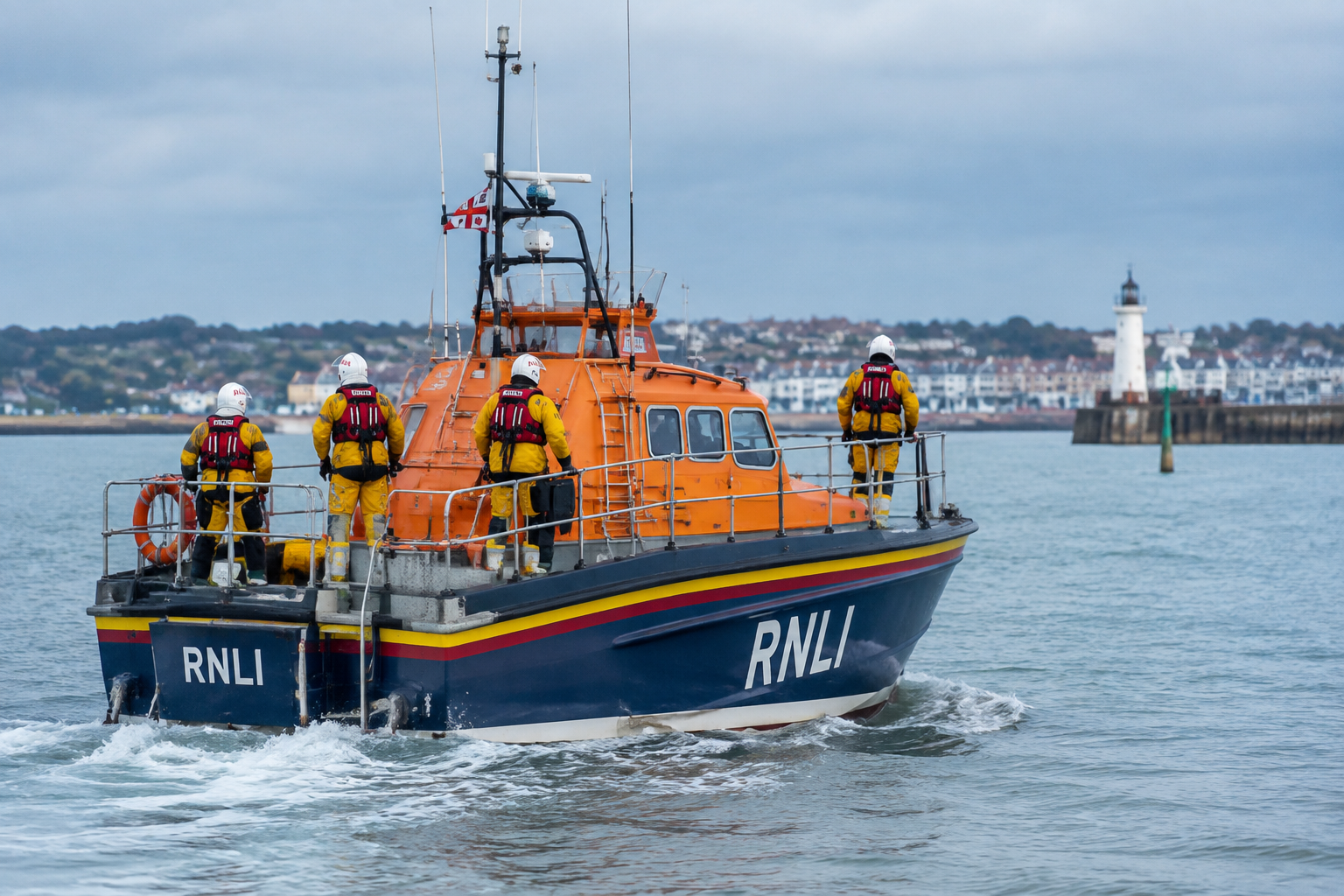
Britain's lifesaving charity is preparing for the future with a major modernisation programme, introducing advanced lifeboats and new technology to protect people around our coasts.
The Royal National Lifeboat Institution (RNLI) has announced plans to upgrade its fleet as demand for its lifesaving services continues to grow.
The charity's crews responded to 9,058 incidents in 2025, with 98% of lifeboat responses between 2017 and 2025 taking place within 10 nautical miles of shore.
To meet changing demands, the RNLI is introducing a new generation of Coastal Lifeboats from 2028, alongside upgrades to its existing Shannon and Atlantic 85 vessels.
The new Coastal Lifeboats will feature improved digital technology, self-righting capabilities and enhanced equipment to help crews operate safely in challenging conditions.
Under the RNLI's long-term strategy, 24 lifeboat stations across the UK and Ireland will see changes to their lifeboat capabilities between 2028 and 2030.
The modernisation reflects changing coastal activities, with more rescues involving swimmers, kayakers and paddleboarders rather than traditional maritime emergencies.
Founded in 1824, the RNLI has helped save more than 146,700 lives and continues to rely on volunteers and charitable donations.
Why It Matters for Britain
The RNLI is one of Britain's most respected charities. By investing in modern technology, improving crew safety and adapting to changing rescue demands, it is helping ensure that future generations can enjoy Britain's coastline with a world-class lifesaving service ready to respond.