Former wheatfields at Halnaker Hill farm in West Sussex have become a thriving wildlife site, with surveys recording 5,290 butterflies just two years after intensive farming ended.
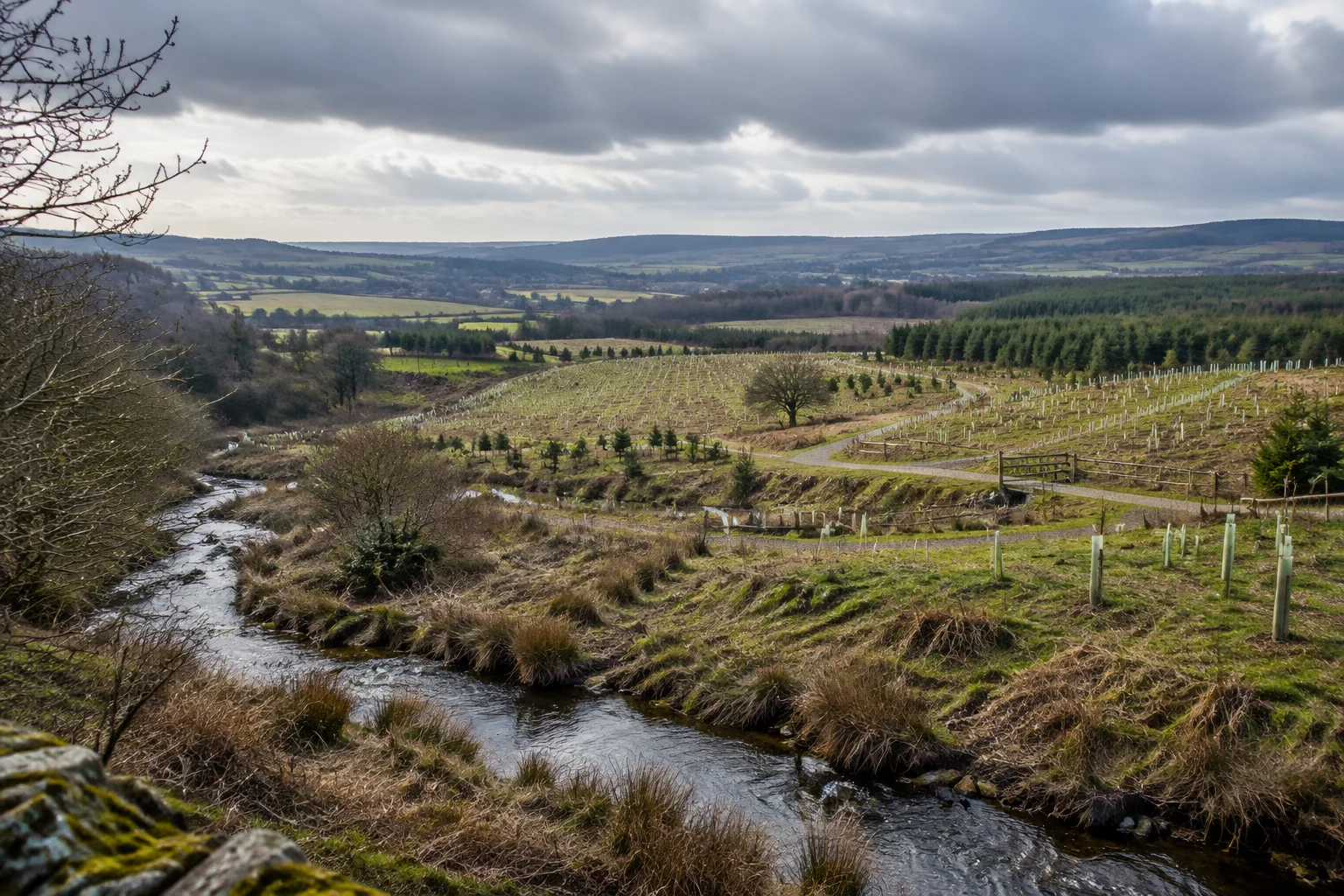
The 133-hectare project began after the final wheat harvest in 2024. The land was sown with wildflowers, while seven kilometres of hedgerows, seven hectares of woodland and three ponds were added. Herbal leys and carefully managed grazing have also been used to improve the existing chalk grassland.
Rare species arrive sooner than expected
Among the butterflies recorded were 85 small blues and seven dingy skippers, neither of which had previously been seen on the fields. The survey also found 547 small heath butterflies, along with common blues, green hairstreaks and eight sulphur pearl moths.
Independent ecologist Neil Hulme said the speed of the recovery had surprised him. The project earns income by selling biodiversity net gain credits, which allow developers to meet legal nature-restoration requirements through work carried out elsewhere.
Halnaker Hill is delivering more than 850 biodiversity units and forms part of the South Downs National Park Authority’s ReNature programme. The wider programme covers more than 7,700 hectares being transformed to support wildlife and help the region adapt to a changing climate.
Plans for next year include reintroducing the Duke of Burgundy butterfly and planting wild pansies to attract the Queen of Spain fritillary.
Why it matters for Britain
The project shows how biodiversity net gain can fund practical habitat restoration alongside new development. In West Sussex, it is already creating more varied farmland habitat and supporting rare butterflies, birds and insects.