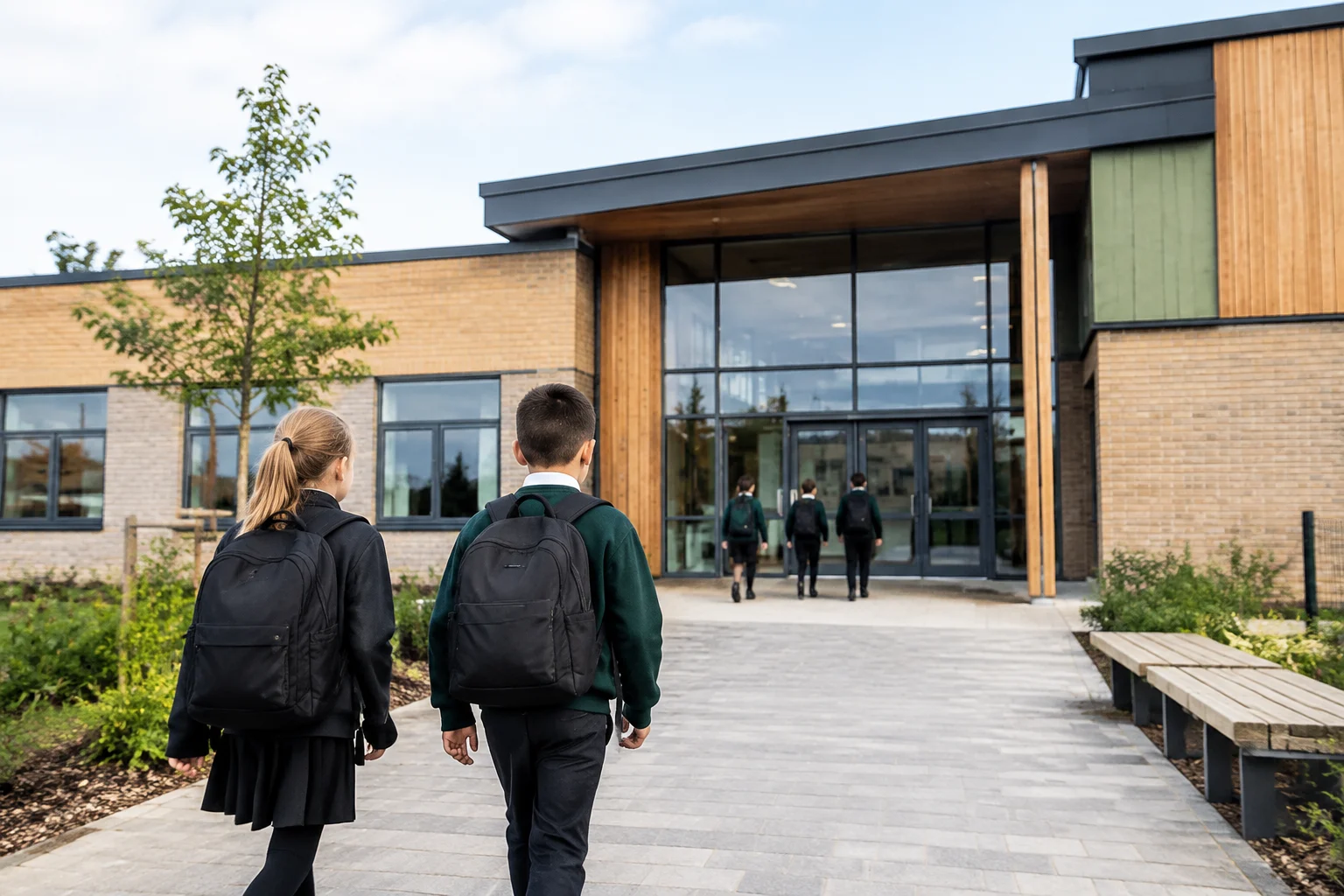
Free breakfast clubs are offering families more than an early meal, with new research pointing to benefits for children’s friendships, morning routines and parents’ working lives.
The Department for Education-commissioned evaluation gathered feedback from more than 5,000 parents involved in the early rollout across England. The programme is being extended to all state-funded primary schools, providing food, play and childcare before lessons begin.
A calmer start, with practical help for parents
Nearly three quarters of parents, 73%, said the clubs helped them start work earlier or work more hours. More than half, 52%, said they saved money on childcare.
The clubs also appear to be helping children settle into the day. Some 42% of parents said they reduced morning stress for their child, while 72% said their child had made friends there and 21% reported improved social skills. Seventy-one per cent said their child enjoyed the food.
The provision may be particularly valuable for children with special educational needs and disabilities. Nearly four in five parents in this group, 78%, felt the clubs supported their child’s needs, with calm surroundings and predictable routines among the potential benefits.
Schools will still need to make sure the offer reaches families who could benefit most. Children eligible for free school meals were less likely to use the clubs than other children, and parents called for more fresh fruit, variety and culturally diverse menus. The breakfasts must follow school food standards, including requirements around fruit, wholegrains and lower-sugar foods.
Why it matters for Britain
For families in England, breakfast clubs can reduce childcare costs and ease the pressure of fitting work around the school day. They also give children a nutritious meal and a settled chance to socialise before learning begins.