Britain’s factories gave the economy an unexpected lift in August, helping the UK avoid the contraction economists had forecast.
Gross domestic product grew by 0.1% during the month, according to the Office for National Statistics. That compared with expectations of a 0.1% fall.
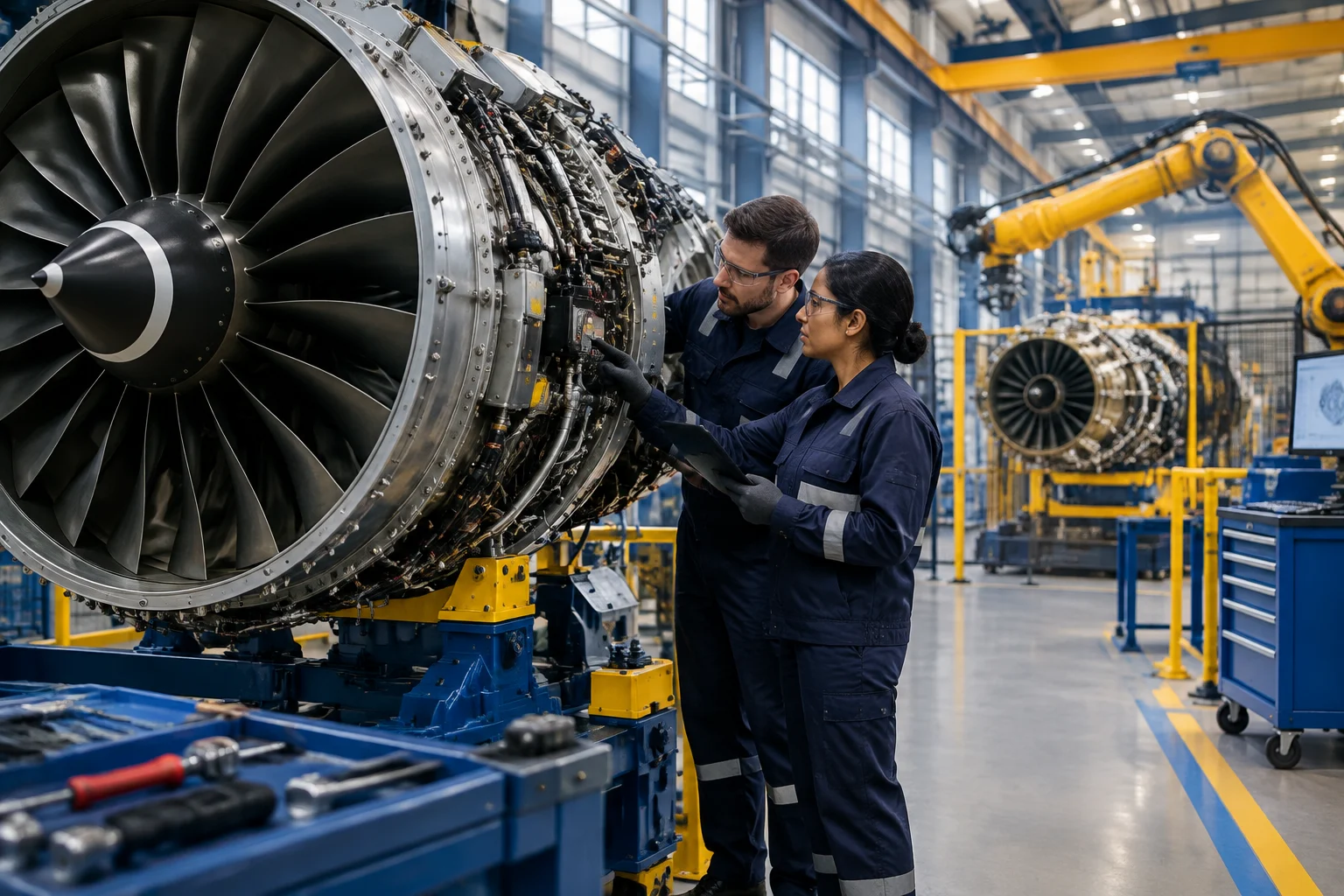
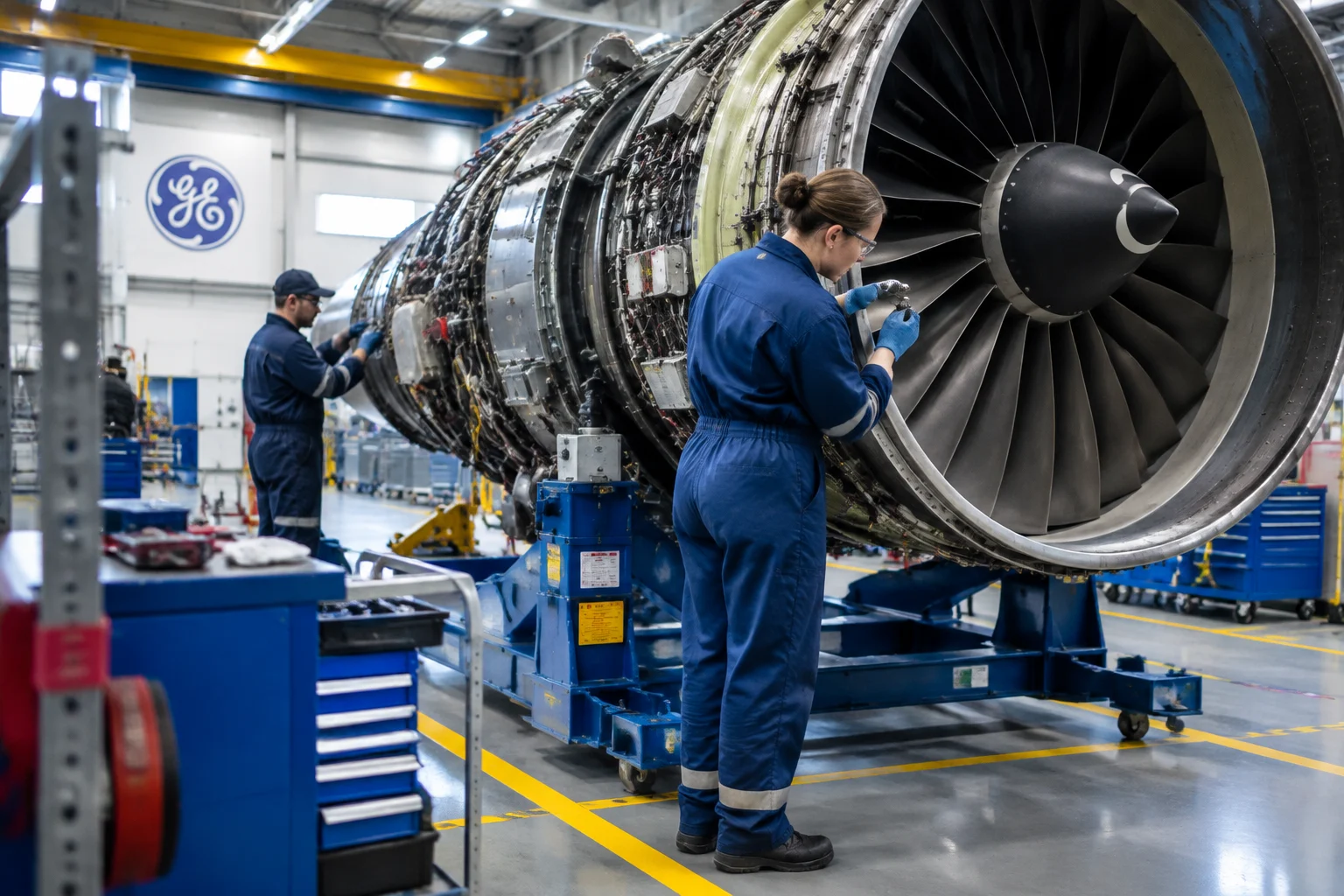
The production sector led the surprise improvement, expanding by 0.8% — its fastest monthly growth in nine months. Manufacturing output rose by 1.2%, with pharmaceutical production among the contributors.
A mixed picture beneath the headline figure
The figures suggest the economy has shown some resilience despite pressure on household spending, higher energy costs and uncertainty in global markets. GDP had grown by 0.4% in July, while the estimate for June was revised up from 0.3% to 0.4%.
But August was far from a broad-based recovery. The services sector, a major part of the UK economy, was flat after stronger growth in the previous two months. Bars and restaurants saw activity fall by 2.7%, while construction shrank by a further 0.2% amid high mortgage rates.
Across the three months to August, the economy grew by 0.7%. The latest figures offer some support ahead of the autumn Budget, while also underlining the challenges facing growth in the months ahead.
Why it matters for Britain
The results show how manufacturing and production can help support UK economic growth when other parts of the economy are under pressure. Pharmaceutical output in particular provided a useful boost, although the wider figures point to a recovery that remains uneven.